
Women in power – is that a new concept?
Women have played pivotal roles in shaping societies throughout history, often overcoming challenges to assert their influence. In ancient societies, matriarchal systems were not uncommon. From the female pharaohs of Egypt to powerful queens, history holds many examples of women who shaped nations and cultures. Yet, historical narratives often sidelined or erased these contributions, reinforcing patriarchal values. The Industrial Revolution, followed by global suffrage movements in the 19th and 20th centuries, marked a turning point. Women began to claim visible roles in governance, education, and business.
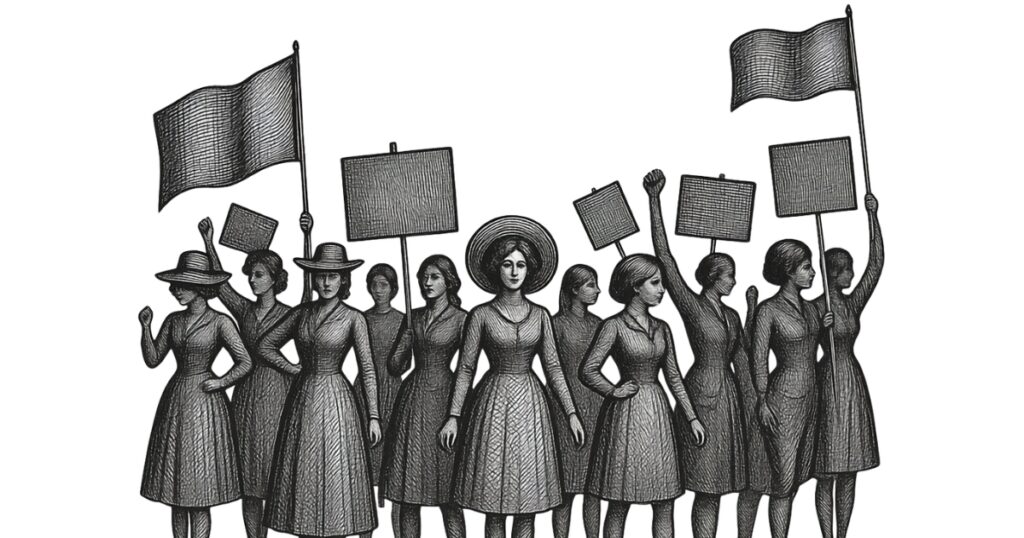
Social Context: Navigating Systems and Expectations
Women’s roles in society have always been shaped by complex cultural expectations and social norms. Even today, many women balance multiple responsibilities – professional, familial, communal – often without structural support or recognition. Social systems, while progressing, still carry gender biases that impact how women’s leadership is perceived and accepted. However, societal shifts are underway. Feminist movements, DEI initiatives (Diversity, Equity & Inclusion), and global leadership programs challenge traditional gender paradigms. Women are now more empowered to bring their full selves to leadership without feeling the need to conform to societal, patriarchal expectations.
This context is crucial as we explore the types of leadership people tend to embody (see Part 2), and how these types can reflect authentic ways of leading rather than imposed expectations.
Inner Potential and the Leadership Journey
At a personal level, every woman carries a unique combination of traits, strengths, and lived experiences. Self-awareness is a key to effective leadership. It involves identifying one’s core values, understanding one’s emotional landscape, and choosing a leadership style that aligns with both internal disposition and external context. As explored in Part 3, different leadership styles require different characteristics and competencies – and each woman’s potential can be amplified when her leadership is rooted in authenticity.
Some may lead with a transformational vision, others through servant-hearted humility or decisive structure. Recognizing the power of this diversity is the key to unlocking a more inclusive, empowered model of leadership.
As you move forward through the journey on this learning platform, remember:
“Leadership is not about fitting into a model – it’s about expressing your potential through the model that fits you!”
👉 The broad spectrum of female leadership reflects the different styles and approaches that define effective leadership as a whole. Understanding various leadership types helps in appreciating the diverse ways individuals inspire, manage, and drive change in society. In the Module Foundations of Effective Leadership, you will find more in-depth information on leadership. In the next parts of this Module, you will discover various leadership styles and how inner potential (characteristics and personality traits) is linked with them.