
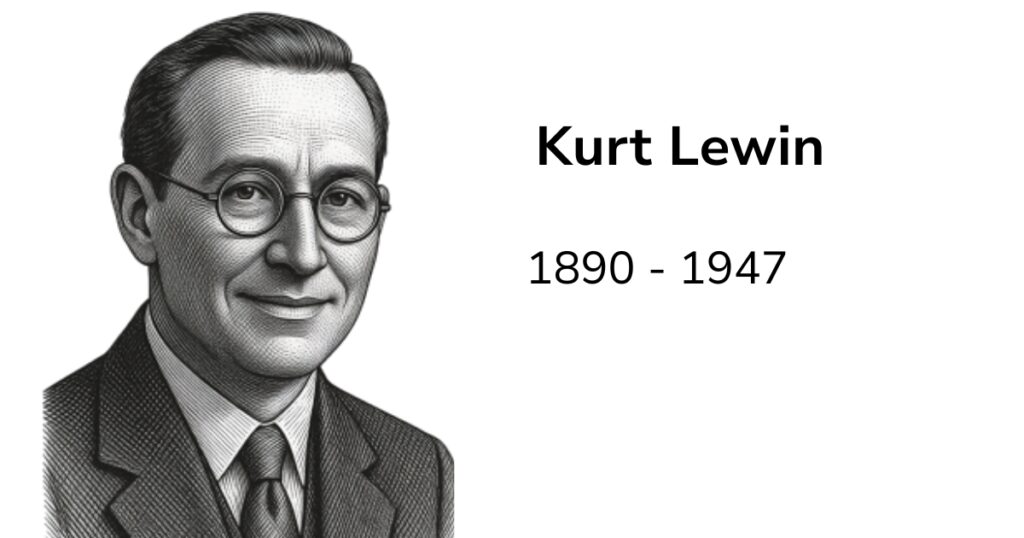
Social psychologist Kurt Lewin and his colleagues first introduced 3 distinctive styles in leadership in 1939. Those are:
- Autocratic (authoritarian) Leader makes decisions independently, with little input from team members. While this style may seem rigid, it can be effective in high-pressure situations where quick, decisive action is needed.
- Democratic (participative) Leader prioritizes participation and consensus. They seek input from team members and make collaborative decisions, encourage group members to participate, but retain the final say in the decision-making process. According to Lewin’s study, this is typically the most effective leadership style.
- Laissez-faire (delegative) Leader offers minimal supervision and allows team members to make decisions independently. This style can be useful in situations involving highly qualified experts, strong motivation of the group members, and a high level of trust within the group.
Other defined types are:
- Transformational leadership first introduced by sociologist James V. Downton in 1973 and later expanded by political scientist James MacGregor Burns in his 1978 book Leadership. Transformational leaders inspire and motivate their teams by creating a vision for the future and fostering personal and professional growth.
- Transactional leadership rooted in Max Weber’s concept of rational-legal authority described in 1947 and later developed by James MacGregor Burns and Bernard M. Bass. Transactional leaders operate through structured policies, procedures, and reward/punishment systems. This style focuses on efficiency and performance.
- Servant leadership conceptualized by Robert K. Greenleaf in his 1970 essay The Servant as Leader. Servant leaders prioritize the needs of their team and lead by serving others first. They focus on the growth and well-being of people and communities.
👉 Those are the “ideal” types of leadership styles. It’s important to recognize that we do not fit into rigid categories. You may adopt transformational leadership in one context and lean into transactional leadership in another. The key is self-awareness – understanding your strengths, values, and goals to choose the most effective style for the moment.
Moreover, societal expectations have historically constrained women to certain roles. By expanding your understanding of leadership styles, you can break free from limiting beliefs and discover the full range of your leadership potential. In the next part, you will see what personal traits and competencies are needed to become an effective leader in different types of leadership.