
What is digital inclusion and why is it important to support it?
Have you ever heard the term “digital inclusion”? Digital inclusion refers to efforts to ensure equal access to digital technology and to promote the ability to use it effectively, for all individuals and communities. This means regardless of gender, age, education, socio-economic status, geographic location, etc. It is far from just about internet connectivity. According to DATAREPORTAL (2025), approximately 5.56 billion people have access to it, which is 67.9% of the global population. 96.3% of internet users go online on their mobile phones and 6 out of 10 users also connect via computers. Most people who do not have access to the internet are from South and East Asia and Africa.
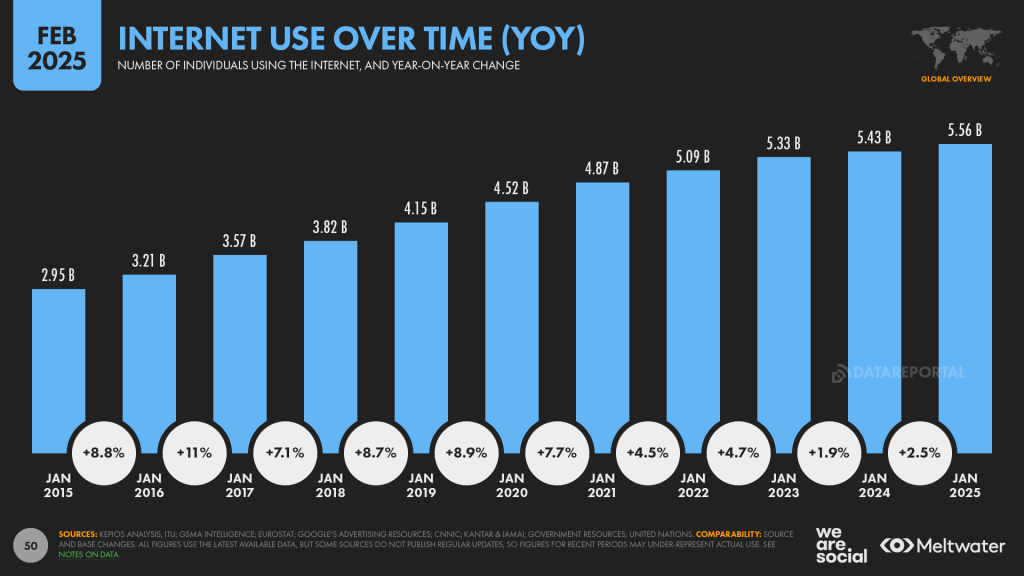
In addition to internet connectivity, digital inclusion also includes many other areas such as:
- ✅ Digital literacy: the need to acquire the skills to use digital tools effectively and safely, including critical thinking when working with information
- ✅ Access to technology including affordability: the ability to acquire and use affordable digital devices such as smart phones, computers and tablets
- ✅ Content accessibility: creation and dissemination of content that is uncensored and accessible and understandable to different user groups. Particular emphasis is placed on the accessibility of content for people with specific needs, such as people with disabilities – see Web Content Accessibility Guidelines (WCAG) for more information. Multilingual support and consideration of culturally relevant content are also important.
- ✅ Engagement in the digital economy: the ability to use digital tools for work, business, education, but also social interaction and communication with institutions.
- ✅ Trust and security: creating a safe environment for users to engage without fear.
👉 Now, let’s find out more about the concrete benefits that digital inclusion can bring.
Digital inclusion directly contributes to promoting equal opportunities and has a number of positive impacts:
- ✅ It contributes to bridging the digital divide between different socio-economic groups, fostering social inclusion, social equality and facilitating communication.
- ✅ Promotes further learning, self-development, networking and engagement in different communities.
- ✅ Expands employment opportunities and enables working from anywhere.
- ✅ Promotes innovation, productivity and competitiveness.
- ✅ Strengthens democracy and civic engagement through digital participation.
A concrete example of global support for women’s access to digital technologies is the “EQUALS” project (https://www.equalsintech.org/), which brings together governments, the private sector and NGOs to reduce the gender gap in digital technologies. Under this project, women have access to IT skills training. The project also promotes increased representation of women in technical fields and the digital economy. These and many other initiatives contribute to women’s empowerment, improving access to information, reducing the gender gap and reducing economic dependency.
👉 Now you know what digital inclusion is and the benefits of promoting it. Now let’s look a little closer at the specific barriers to equal access to technology and the strategies that help remove them.